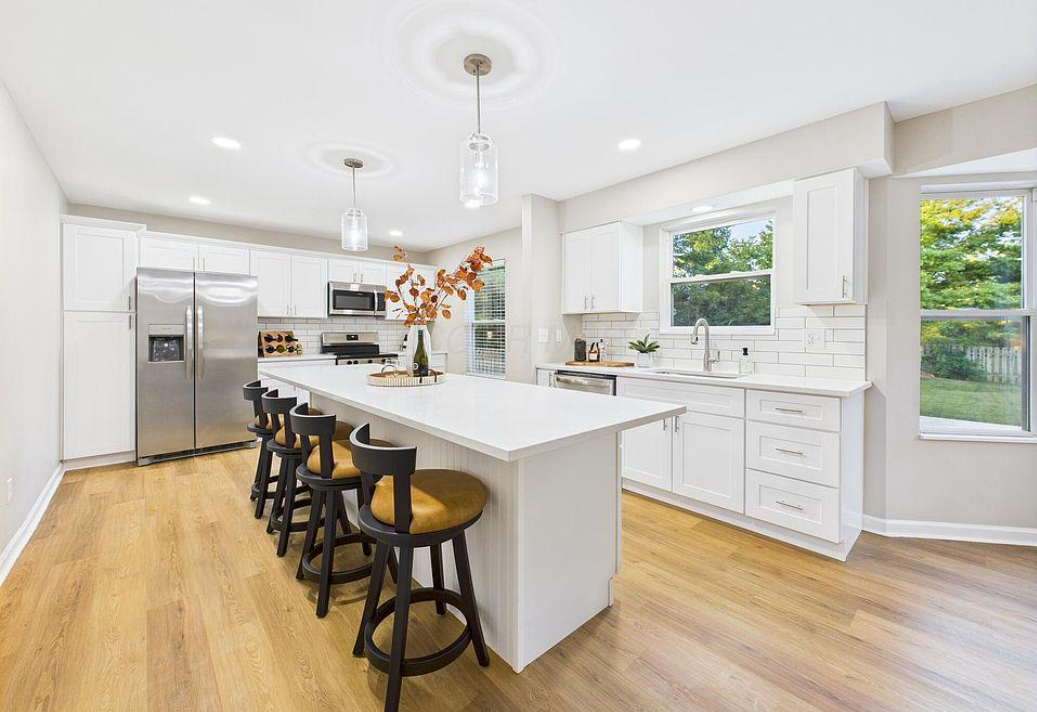
Home improvements can make a property more comfortable, functional, and appealing to potential buyers. However, not every renovation delivers the same results. Some projects address essential maintenance, while others improve appearance, energy efficiency, or everyday convenience. Whether you plan to stay in your home for years or prepare it for a future sale, choosing the right improvements can make a meaningful difference. Here are several home improvement projects worth considering. The kitchen is one of the most frequently used spaces in a home, making it an important area to maintain and improve. You do not always need a complete renovation to refresh its appearance. Consider updating cabinet hardware, replacing outdated lighting, installing a modern backsplash, or refreshing countertops. If your kitchen layout works well, smaller improvements may provide a more practical solution than an expensive redesign. Focus on durable materials, functional storage, and finishes that complement the rest of the home. Bathrooms can benefit from upgrades that improve both appearance and everyday use. Consider replacing outdated fixtures, improving lighting, updating ventilation, or refreshing worn flooring and tile. Addressing plumbing issues and preventing moisture damage should also be priorities. A clean, well-maintained bathroom can create a positive impression without requiring a complete renovation. First impressions matter when someone visits or views a property online. Simple exterior improvements can make your home look more inviting. Consider: Maintaining the lawn and landscaping. Trimming overgrown plants and trees. Repainting or refreshing the front door. Cleaning exterior surfaces and walkways. Updating outdoor lighting. Repairing visible exterior damage. These projects can improve the property's overall presentation and help create a welcoming entrance. Energy-efficient improvements can help reduce utility consumption and improve indoor comfort. Depending on the home's condition, consider sealing air leaks, adding insulation, installing energy-efficient lighting, or upgrading older heating and cooling equipment. Before replacing major systems, evaluate their current condition, operating costs, and expected remaining service life. Some energy improvements may also qualify for local or federal incentives, depending on current eligibility requirements. Not every valuable improvement needs to be decorative. Roof repairs, plumbing maintenance, electrical updates, drainage improvements, and addressing structural concerns can help protect your property from more expensive problems. Before starting cosmetic renovations, identify any maintenance issues that could affect the home's safety, functionality, or condition. Home improvement projects can become expensive when costs are not carefully planned. Before starting, establish a budget that includes materials, labor, permits, and a contingency for unexpected expenses. Research local contractor rates and obtain multiple written estimates for major projects. Remember that renovation costs do not automatically translate into an equal increase in resale value. The return depends on the property, local market, project quality, and buyer preferences. The best home improvement projects balance cost, functionality, and long-term usefulness. Whether you are upgrading a kitchen, improving energy efficiency, or addressing maintenance concerns, a thoughtful plan can help you get more value from your investment. Start with the improvements that matter most to your property and budget.Upgrade the Kitchen
Improve Bathroom Functionality
Enhance Curb Appeal
Improve Energy Efficiency
Prioritize Maintenance and Repairs
Set a Realistic Renovation Budget
Make Smart Improvements for Your Home
Home Improvements That Can Add Value and Improve Everyday Living